

Botswana’s digital landscape is moving fast as part of the national 4th Industrial Revolution (4IR) drive. Whether you are running a consultancy in Gaborone, a safari lodge in Maun, or a retail shop in Francistown, your customers are looking for you online. In fact, research shows that over 80% of consumers now search the internet for local services before making a purchase. If you don’t have a professional online presence, you risk operating like the informal “tuckshop down the street”—essentially remaining invisible to a massive, tech-savvy segment of the market.
Many local entrepreneurs ask, “Is a Facebook page or a WhatsApp catalog enough?” While social media is great for quick engagement, relying on it alone leaves your business vulnerable. In this guide, we will explore exactly why your Botswana business needs a website, how it serves as your 24/7 salesperson, and how it gives you complete ownership of your brand in an increasingly digital economy.
1. Increased Visibility and Searchability
In today’s digital age, visibility is everything. When someone in Botswana needs a plumber, a corporate lawyer, or custom furniture, the first thing they do is turn to Google. A professional website ensures that your business shows up when it matters most.
How a website enhances local search

By using Search Engine Optimization (SEO), you can rank for high-intent search terms like “best catering in Gaborone” or “affordable car rentals Botswana.” Unlike social media posts that vanish down a timeline within hours, a website stays indexed on search engines, providing a permanent digital home for your brand. To get discovered even faster locally, you can also list your business on Lephutshi, Botswana’s growing online directory.
Local Success Case: From Gaborone to the World
Consider a local craft and leatherwork business that previously relied solely on physical foot traffic. After launching a professional website, they showcased their product catalog to international tourists planning trips from overseas. By the time those tourists landed at Sir Seretse Khama International Airport, they had already placed orders. That is the power of searchable, global visibility.
2. Building Professional Credibility and Trust
A website acts as your official digital office. In Botswana, where many businesses operate informally, having a professional website immediately sets you apart as a legitimate, registered entity. It shows prospective clients that you are serious about doing business.
Establishing legitimacy in the Botswana market

When you operate with a custom domain (like yourbusiness.co.bw or .com) and branded email addresses (like info@yourbusiness.co.bw), you instantly project far more authority than a competitor using a free Gmail address or only a WhatsApp line. Customers are significantly more likely to engage with you if they can verify your credentials, review past case studies, and see your previous work.
Trust Signals for Botswana Consumers
To convert casual visitors into paying clients, ensure your website displays these essential trust signals:
- Verified Contact Info: A physical office address, landline, and local mobile/WhatsApp contacts (+267).
- Regulatory & Registration Links: A visible reference or link to your CIPA registration status, tax compliance, or professional certifications.
- Authentic Social Proof: Real client testimonials and photographs of actual work, facilities, or products rather than generic stock imagery.
- Technical Security: An active SSL certificate (indicated by the padlock icon next to your URL) to protect client data.
3. Full Channel Ownership: Website vs. Social Media
Many local business owners rely exclusively on Facebook or Instagram. However, operating solely on social media is what digital strategists call building on rented land. You do not own your social media pages—the platform does.
Imagine waking up tomorrow to find that your Facebook business page has been reported, flagged by an algorithm, or hacked. Your entire audience, client inquiries, and social reviews disappear instantly—with virtually no local support to help you recover them. Furthermore, platform algorithm shifts frequently suppress organic reach, forcing you to pay just to reach your existing followers.
A website is an asset you own completely. It gives you absolute control over your brand messaging, customer data, and sales funnels. You can also leverage it to plug into broader local initiatives—such as the Lephutshi Business Forum—where local entrepreneurs connect and collaborate on an owned network.
4. 24/7 Accessibility and Automated Service
One of the single biggest advantages of a website is that it never closes. While your physical store or office shuts down at 5:00 PM, your website works as your non-stop salesperson, taking inquiries and providing answers while you sleep.
Providing constant information to customers
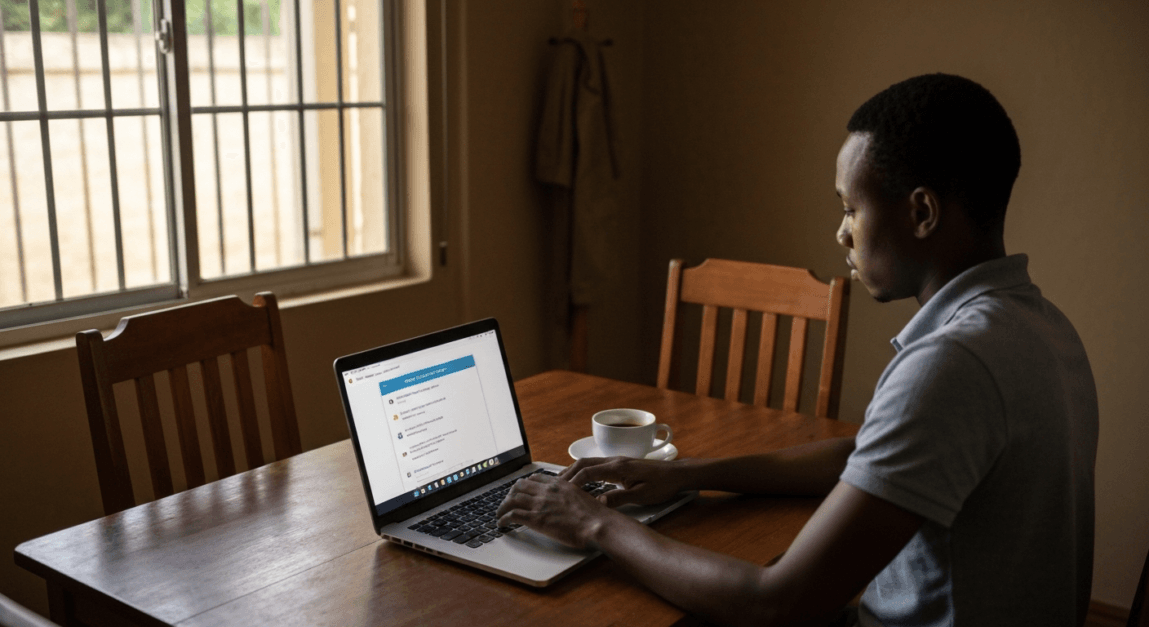
Imagine a corporate client researching vendors at 10:00 PM. If your business only exists as a physical office, that lead is lost to a competitor. If you have a responsive website with detailed service breakdowns and a direct contact form or WhatsApp widget, you capture that opportunity instantly.
Efficiency through automation
You can also automate routine operational tasks directly through your site:
- Online Bookings: Enable clients to schedule consultations or service appointments automatically.
- Self-Service FAQs: Answer recurring questions regarding pricing, location, and delivery terms.
- Lead Generation: Collect subscriber emails to build targeted email marketing campaigns that nurture prospects over time.
5. Expanding Your Sales and Marketing Reach
A modern website is far more than an online brochure; it is an active sales engine. With the rapid evolution of digital payments in Botswana, a website allows you to run a full-scale e-commerce operation.
Taking payments online in Botswana
Businesses in Botswana can now integrate secure payment gateways that process debit/credit cards as well as local mobile payment links (such as Orange Money, eWallet, or MyZaka). By implementing a complete ecommerce solution, a business in Gaborone can seamlessly sell and ship products to customers in Lobatse, Palapye, or Shakawe without geographical limits.
Lowering overall marketing costs
Traditional media advertising (such as print, billboards, or radio) involves high recurring costs with minimal tracking. Digital campaigns via Google Ads or Social Media Ads are far more cost-effective because every Pula spent can be tracked directly to website visits and leads. Your website acts as the central destination where all your marketing channels converge.
What to Prepare Before Building Your Website
Before you engage a professional web design agency in Botswana, having these foundational materials ready will accelerate your project and lower development bottlenecks:
- A Clear Core Objective: Determine whether your primary goal is lead generation, e-commerce sales, or portfolio showcase.
- High-Quality Media Assets: Authentic, professional photographs of your team, products, and physical workspace.
- Structured Service Information: Comprehensive descriptions of your service offerings, delivery terms, and general pricing structures.
- Brand Identity Guidelines: High-resolution vector logos, primary brand colors, and typography preferences.
- Official Company Details: CIPA registration number, physical address, direct phone lines, and official domain preferences (.co.bw / .com).
Conclusion: A Website is an Essential Business Asset
In summary, understanding why your Botswana business needs a website is the first step toward building a resilient, scalable company. From maximizing Google search rankings to establishing authentic authority, owning your channel, and driving automated sales, a professional site is the most hardworking asset your business can own.
Ready to build a high-converting digital presence? Request a custom quote from Lephutshi Developers today. We specialize in fast, mobile-optimized, and SEO-driven web design tailored specifically to the Botswana market. Review our transparent pricing or contact our strategists to launch your site.
Recommended Reading
- Botswana’s Digital Landscape Insights
- The Decisive Digital Shift in Botswana
- Digital & Connectivity Indicators for Botswana
Frequently Asked Questions
1. Why do I need a website if my business is already on Facebook or WhatsApp?
While Facebook and WhatsApp are excellent for social engagement, a website provides complete channel ownership, higher professional credibility, and far better search engine visibility on Google. You own your website content and customer data outright, protecting your business from sudden algorithm changes or account suspensions on third-party platforms.
2. Do I need to write daily blog posts to keep my website useful?
No. This is a common myth. While publishing fresh content helps SEO over time, a static, well-structured 5-to-10-page business website (Home, About, Services, Portfolio, Contact) acts as a complete 24/7 digital office. You do not need to blog constantly for your website to build trust and capture qualified leads.
3. How much does a professional business website cost in Botswana?
Website investment depends on functional complexity. A standard business website in Botswana typically ranges between P3,500 and P7,500. E-commerce sites featuring custom payment gateway integrations (cards, Orange Money, eWallet) require additional development scope. Check our pricing page for clear package breakdowns.
4. Can a non-technical business owner manage the website after launch?
Yes. Modern sites built by Lephutshi Developers utilize intuitive Content Management Systems (CMS) like WordPress. This allows you to easily edit text, add portfolio photos, or post updates without coding knowledge. Agencies like Lephutshi Developers also provide comprehensive training after launch.
5. How long does it take to build a business website?
A standard professional business website typically takes 2 to 4 weeks to design, develop, and test, provided your core business information, logos, and high-quality images are ready at kick-off.